On April 17, 2026, as part of the IX International Symposium “Education and the City: People and Institutions”, a hybrid session titled “Urban Studies Challenges” will take place.
Participants will discuss how cities are changing under the influence of technology, economy, and culture, and the role education plays in these processes. The session will explore urban transformation, new educational formats, and how different urban spaces become resources for development. The moderator will be Ekaterina Asonova, Head of the Laboratory of Socio-Cultural Educational Practices at the Research Institute of Urban Studies and Global Education, MCU.
Reports and speakers:
- “City Development Paradigm in the 21st Century” — Arman Avetyan (Russian-Armenian University, Yerevan, Armenia). The report examines key directions in modern urban development — from digitalization to ecological sustainability and human-centered design — showing why “smart” and sustainable models are becoming the foundation of urban policy.
- “The City as Investor: The Economics of Educational Clusters and Capitalization of Urban Territories” — Alexander Sigarev (Financial University under the Government of the Russian Federation, Moscow). The report discusses how educational clusters affect the city’s economy, changing housing prices, business environment, and income structures of territories.
- “From Sloboda to EdTech Hub: How Historical Districts of a Megacity Become a Living Laboratory for English Learning” — Elena Starodubtseva (Financial University under the Government of the Russian Federation, Moscow). The report presents the use of Moscow’s historical districts as educational environments for learning English, showing how AI and urban routes help develop language and intercultural competencies.
- “University Educational Programmes as a Structural Reflection of Urban Transformations” — Andrey Kondrashikhin (Institute of Economics and Law, Sevastopol). The report reveals how changes in the economy and urban environment affect the content and structure of university educational programmes, demonstrating the connection between city needs and higher education development.
- “The Role of Student Scientific Societies in Identifying Cultural Codes and the Scientific-Educational Potential of the Native Region: From Research to Practice” — Oksana Pavlova (Kaluga State University named after K.E. Tsiolkovsky, Kaluga). Using student scientific societies as an example, the report shows how researching the region’s cultural code becomes a foundation for educational programmes and projects, and how this experience can be scaled.
- “The Role of Shopping and Entertainment Centers in Shaping Leisure Culture in Belarus” — Evgenia Smykova (Institute of Sociology, NAS of Belarus, Minsk, Belarus). The report discusses how shopping and entertainment centers become key leisure spaces and influence everyday culture and urban identity.
- “Methodology for Using Local Territorial Identity in Designing Children’s Playgrounds” — Alexandra Yufereva (ITMO University, St. Petersburg).
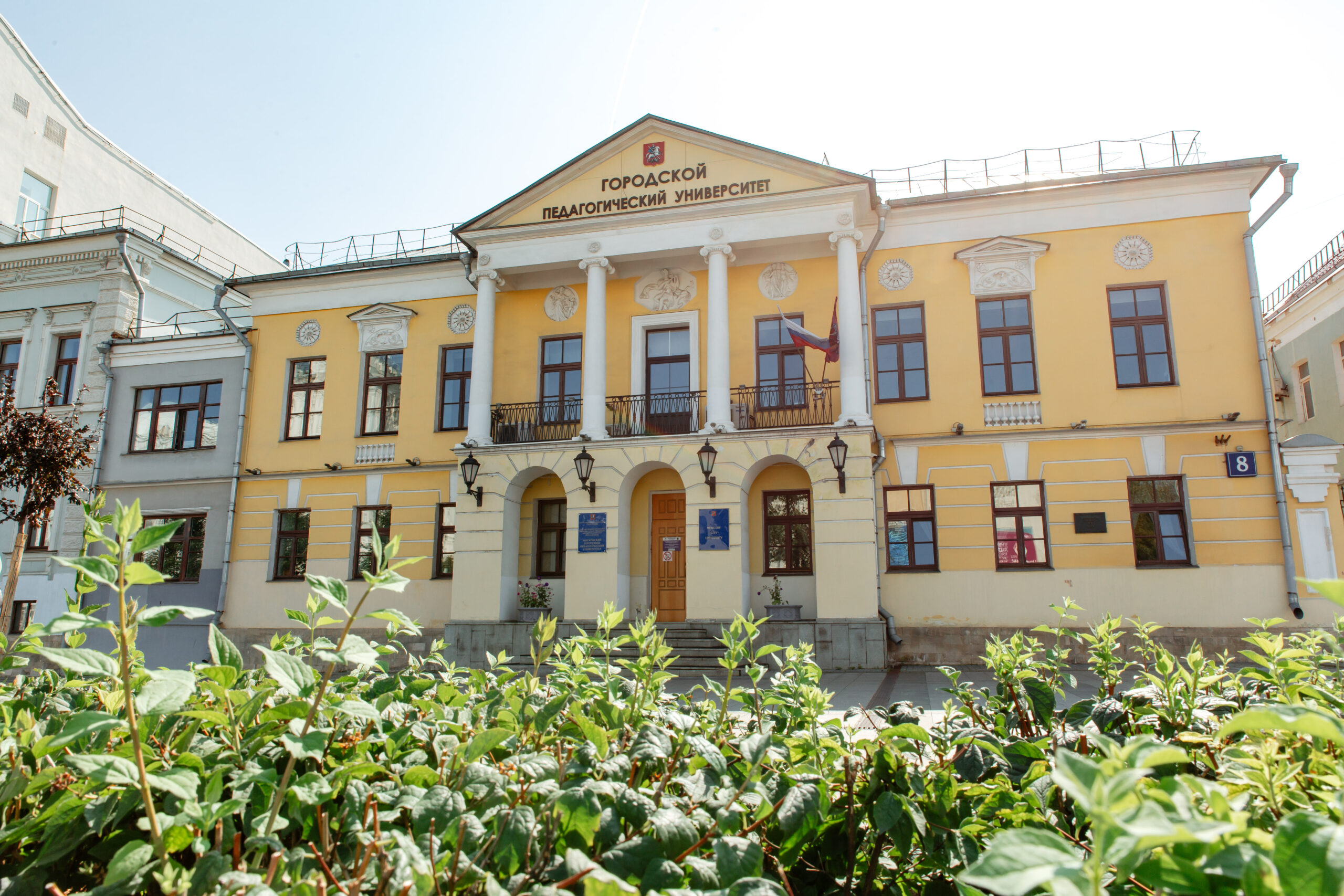
The event will take place in a hybrid format. In-person participation — 8 Sadovaya-Samotechnaya St., Room 40. Registration is required to attend.
Please note: several events will occur simultaneously. The full programme will soon be available on the symposium website.
Photo: MCU