
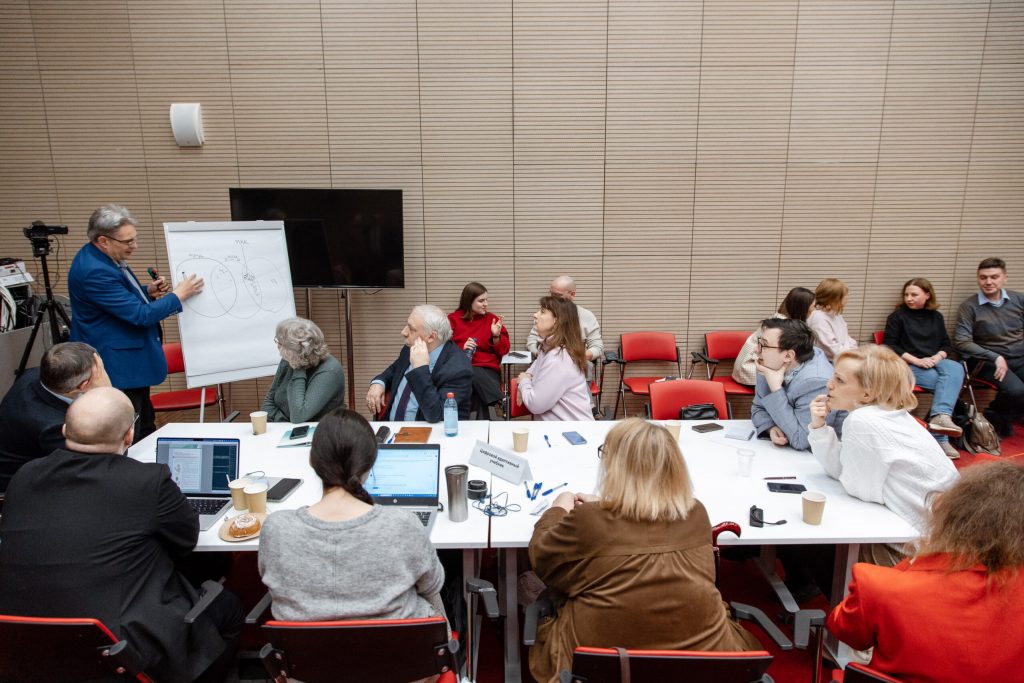
On January 15–16, a project and analytical session was held at Moscow City University as part of the Priority 2030 Strategic Academic Leadership Programme. The event focused on the discussion and expert review of promising developments in the field of digital educational technologies and on advancing MCU’s strategic technological project “Educational AI Technologies.”
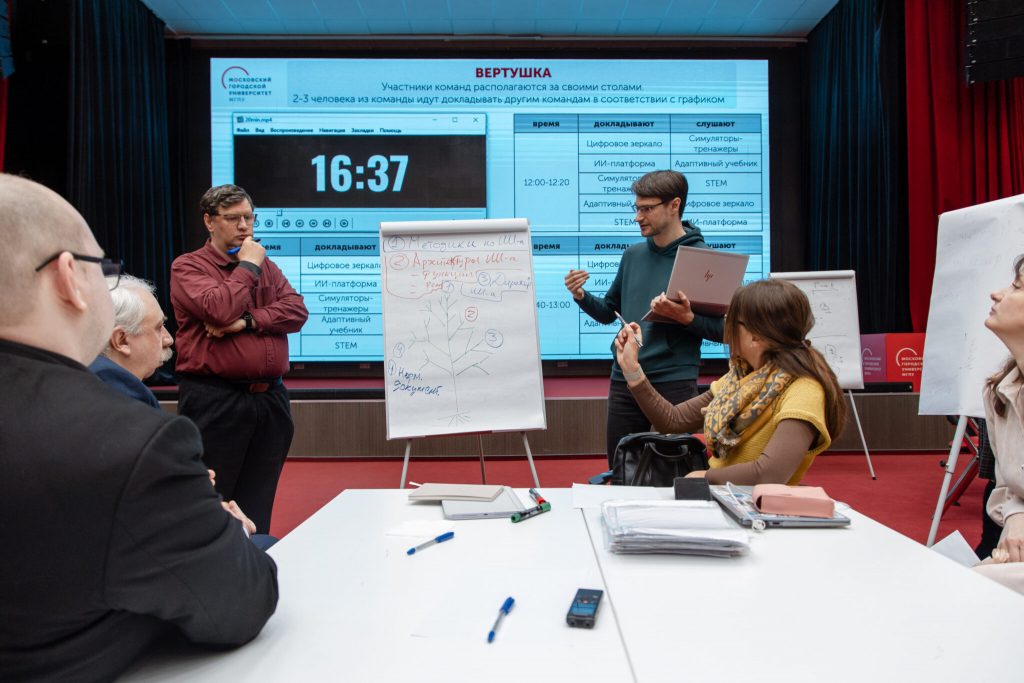
Teamwork was organised around five key areas:
- Digital Mirror of a Lesson
- AI Platform for Creating Virtual Agents in Education
- Simulation-Based Training Tools
- Digital Adaptive Textbook
- STEM Approach to Workforce Training for Technological Leadership


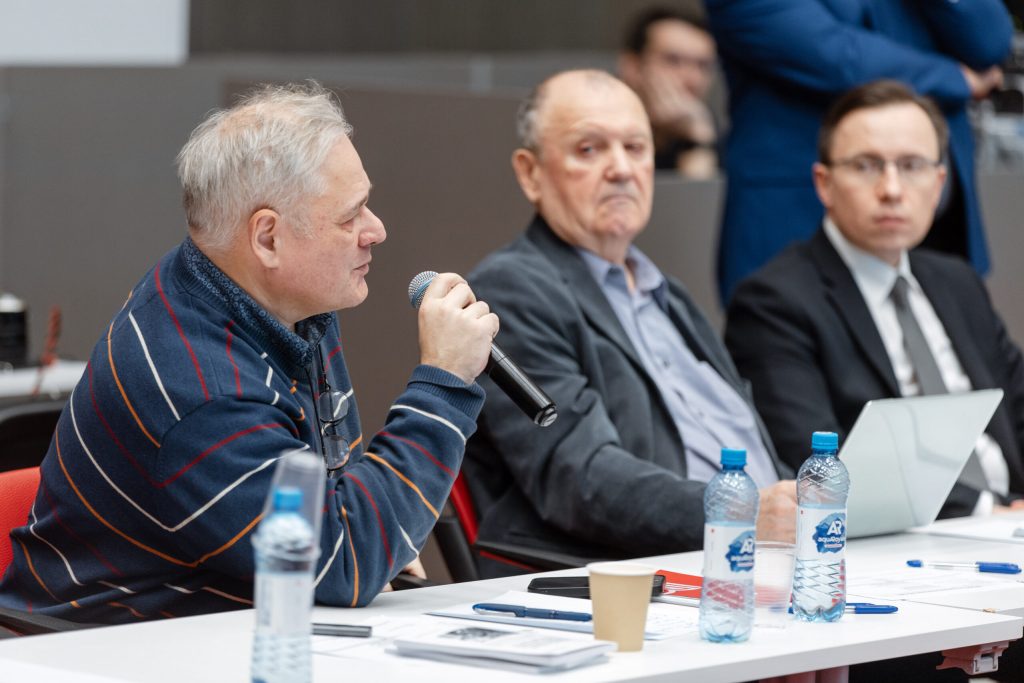

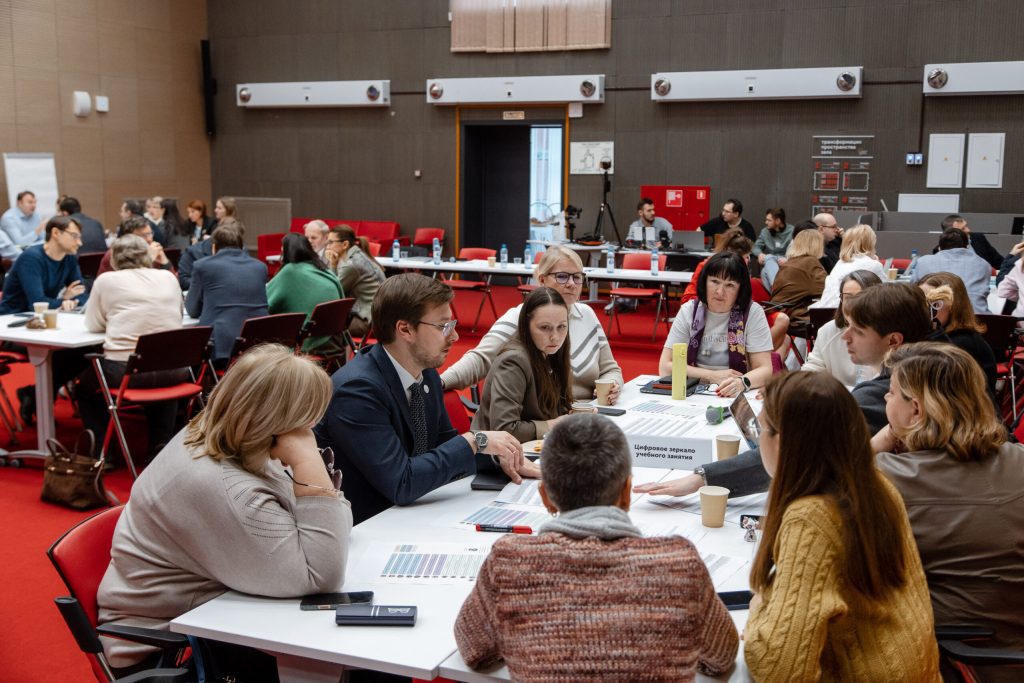
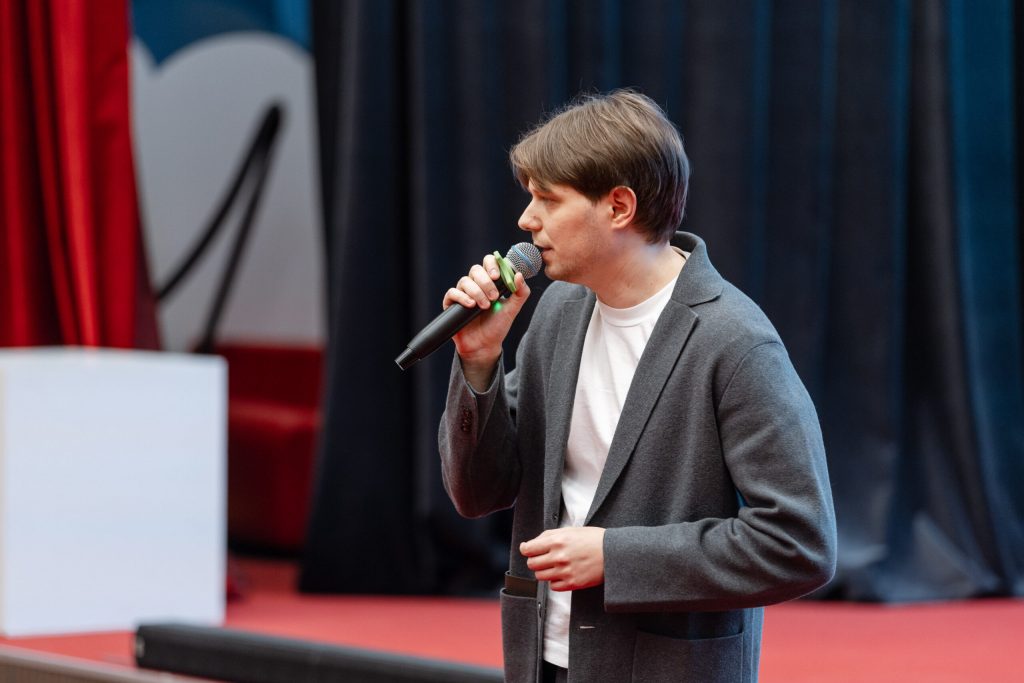
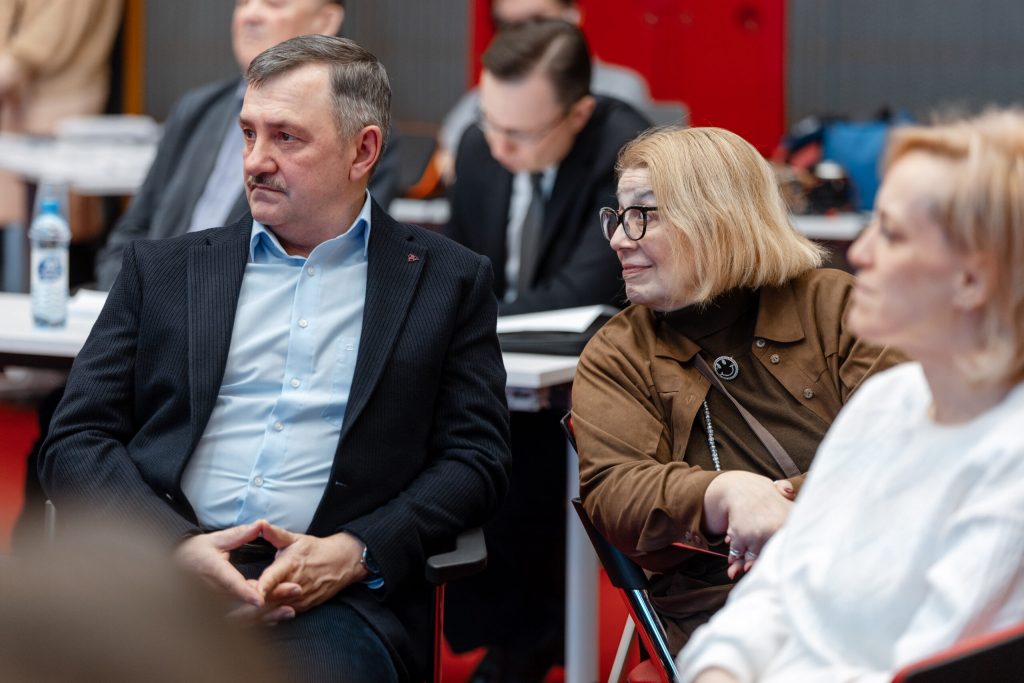

Participants presented solutions aimed at integrating artificial intelligence technologies, the STEM approach, and simulation-based tools into education at all levels—from general and higher education to continuing professional and corporate training programmes.
The first day of the session focused on developing research programmes that provide an evidence base and scientific validation for the technologies being designed. Teams presented a portfolio of research projects aimed at assessing the pedagogical effectiveness of digital products, analysing their impact on learning outcomes and students’ cognitive development, and examining the readiness of educational environments and educators to implement AI technologies.
Special attention was given to the development of STEM education as a key area for training professionals for technological leadership. Plans were discussed to integrate STEM case studies into the Digital Adaptive Textbook and to include STEM-based lesson scenarios in the Digital Mirror of a Lesson system.
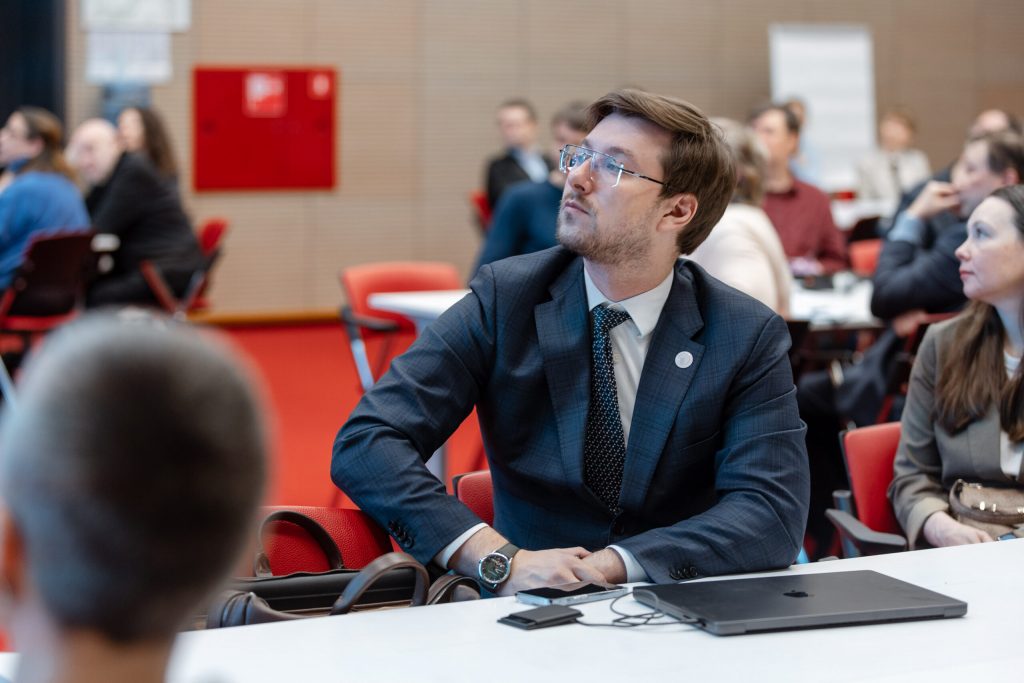
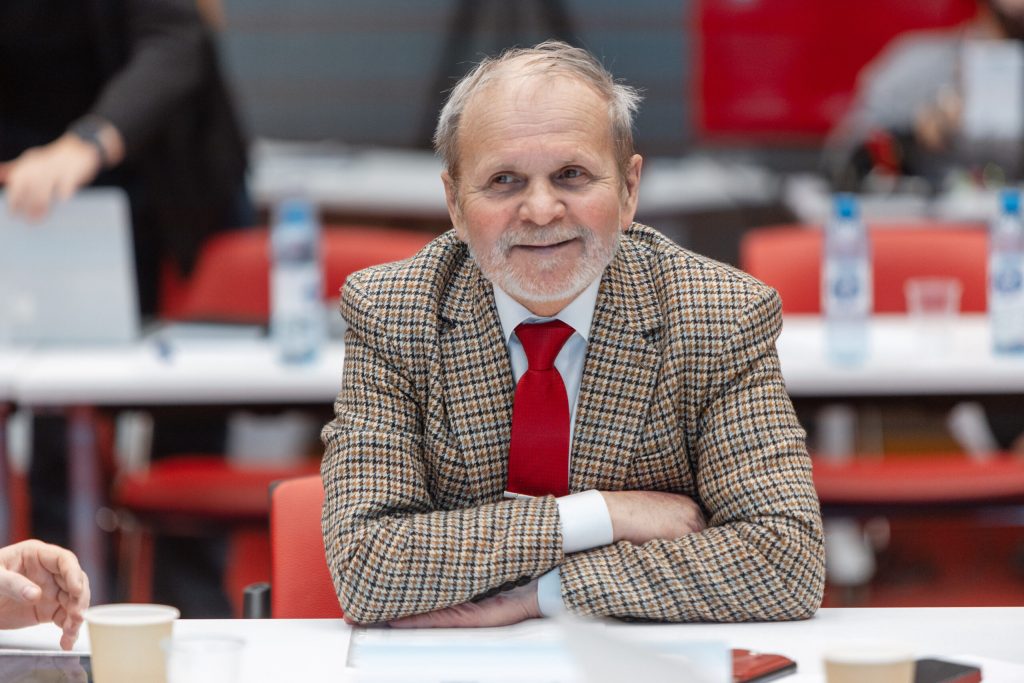
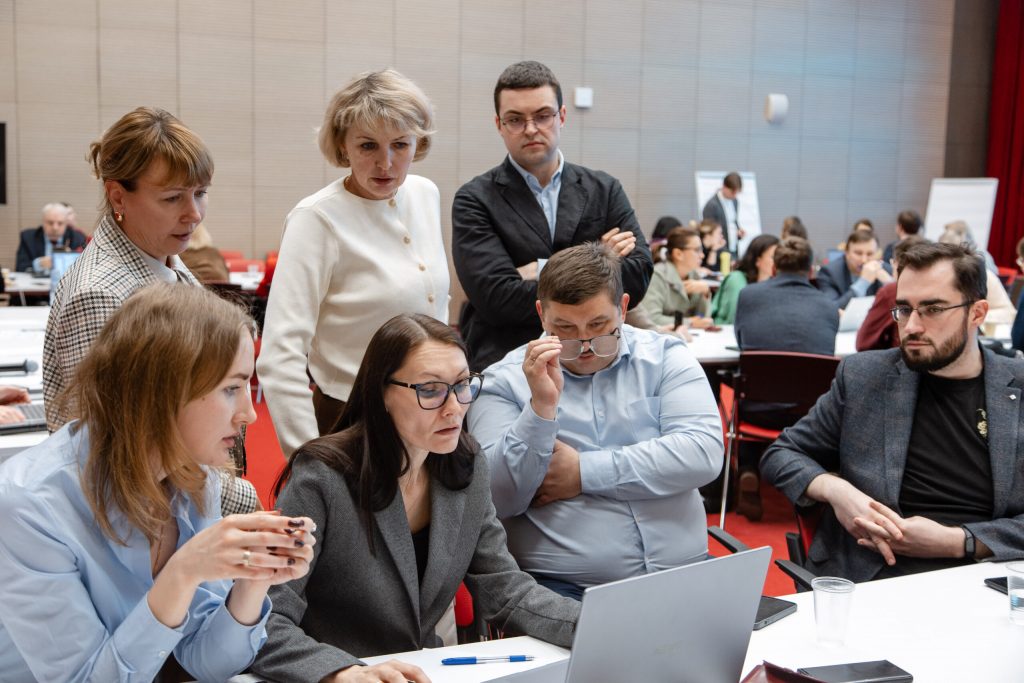


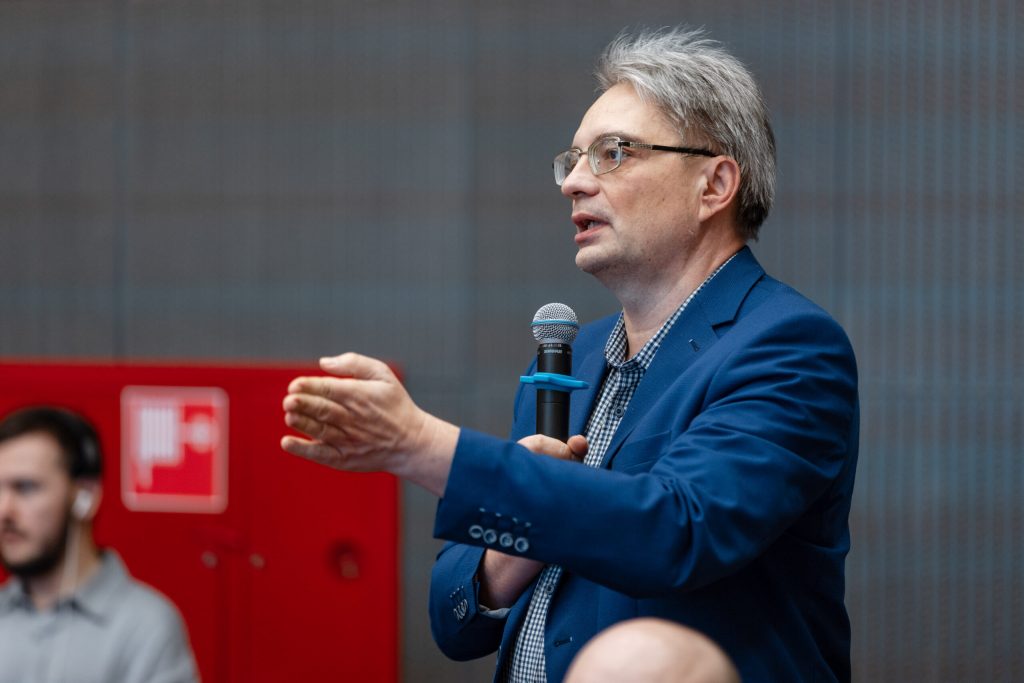
On the second day, participants concentrated on refining product solutions within the portfolio of the strategic project “Educational AI Technologies” and the candidate project “STEM Education.” The main focus was on clarifying product concepts, target audiences, application scenarios, and commercialisation models.
The research programmes and product solutions developed during the session are aimed at increasing the technological maturity of the projects, which directly contributes to the university’s technological leadership index. The involvement of students, faculty members, and researchers in project-based and research activities also supports the achievement of key indicators related to professional development, research capacity building, and the renewal of MCU’s educational programmes.
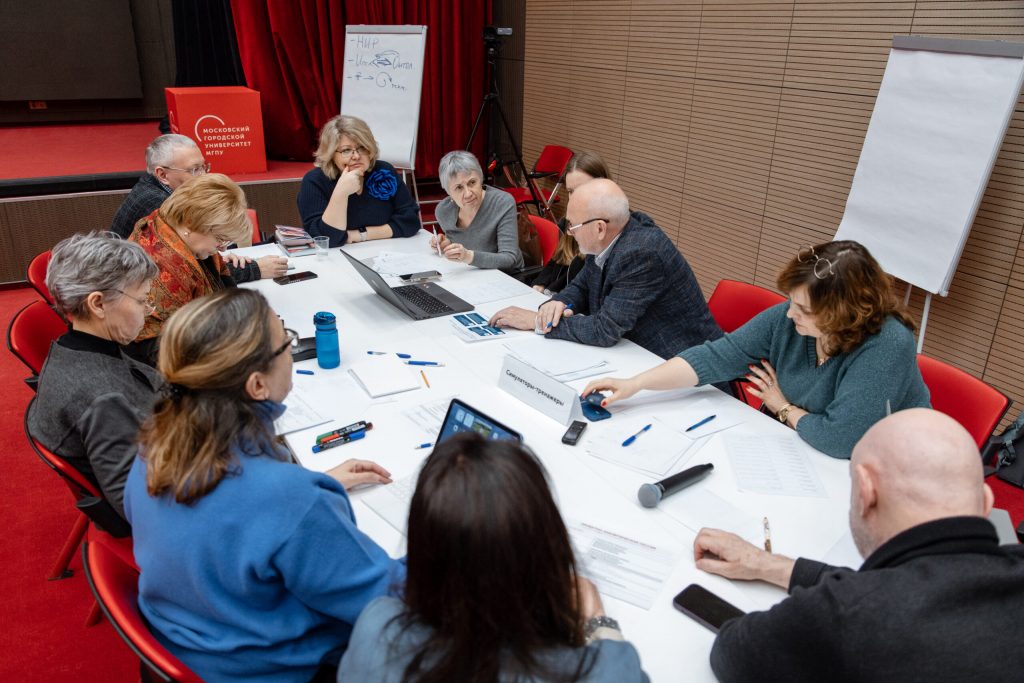
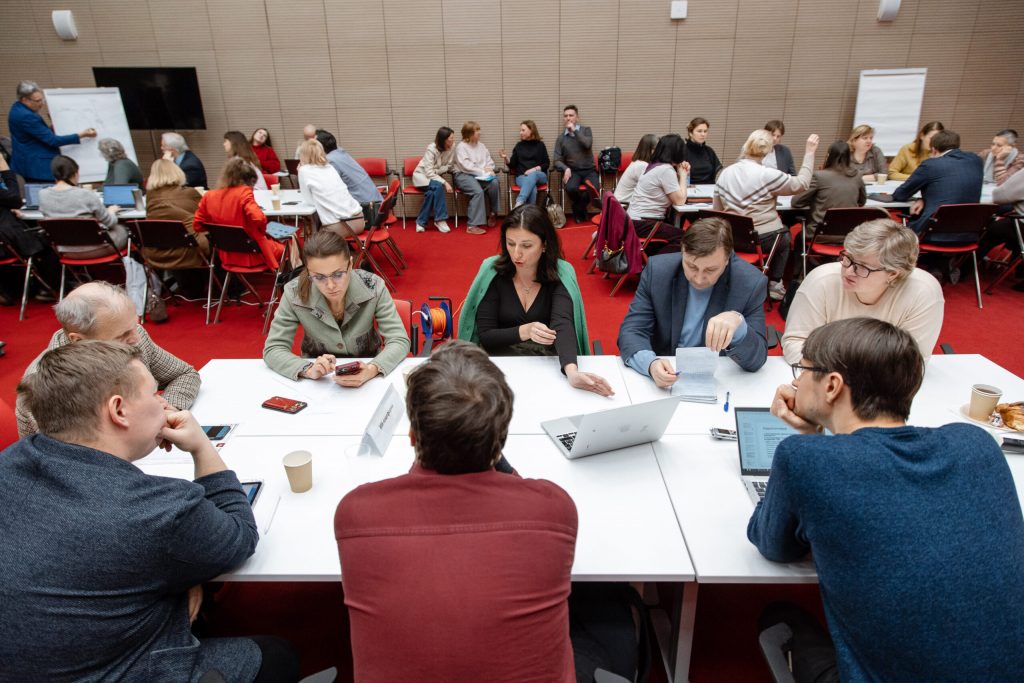



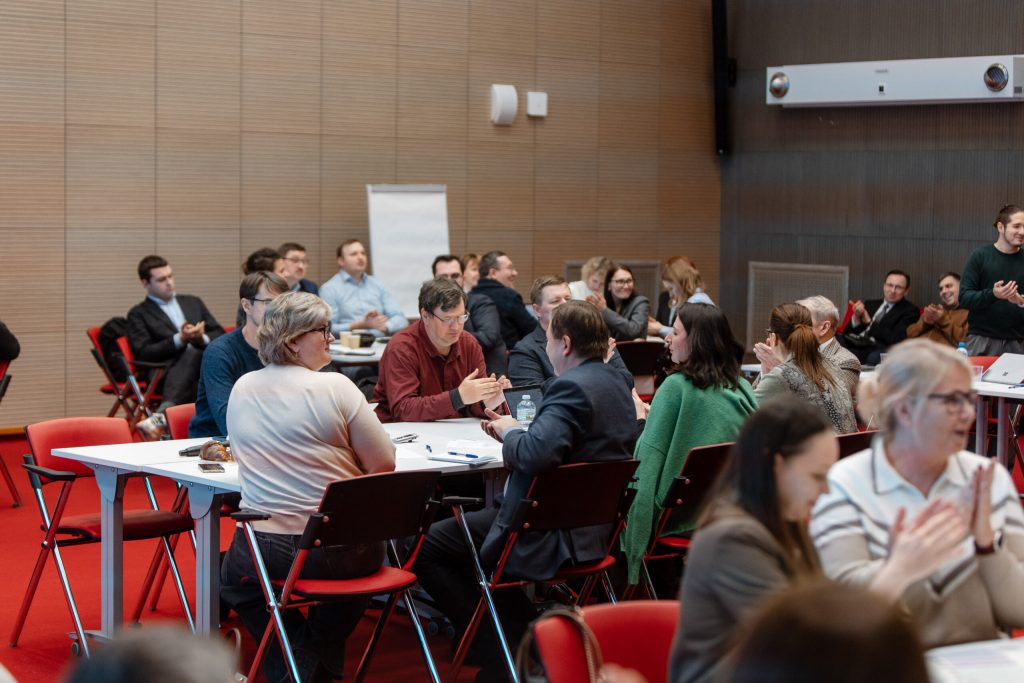
The session confirmed the high level of scientific and technological development of MCU’s projects and their alignment with the priorities of the Priority 2030 programme, as well as with the goals of building a modern, technology-oriented educational environment.
Photo: MCU